12 Small Space Solutions That Don’t Sacrifice Style
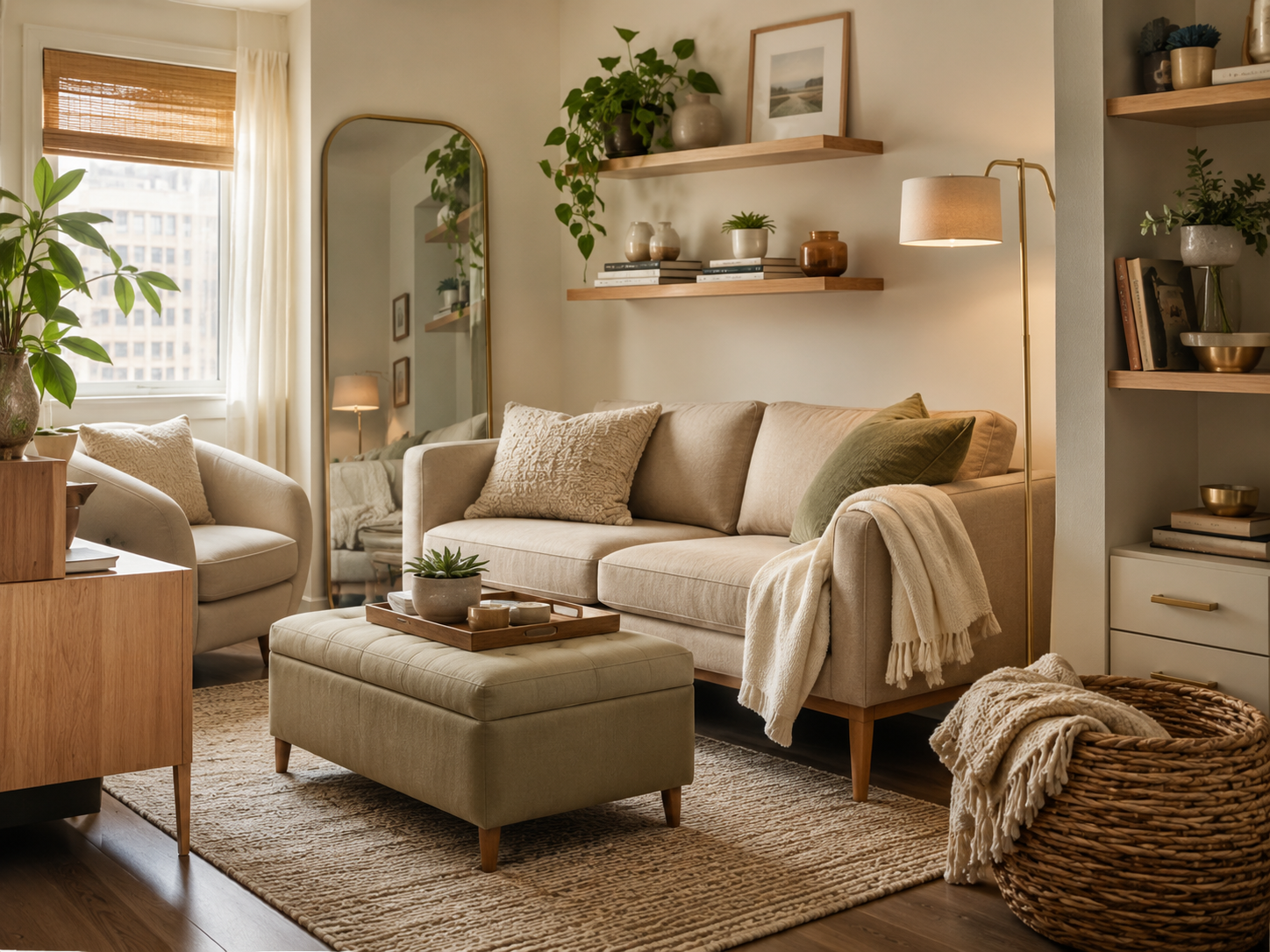
Small space living is basically one long game of “where am I supposed to put this?”
You want your home to feel cozy, styled, and intentional — not like a storage unit with throw pillows. But you also need actual places for blankets, shoes, chargers, extra towels, seasonal decor, random cords, and the one kitchen gadget you swear you use more than you do.
The good news: small spaces do not have to feel cramped, cluttered, or overly “practical.” The best small-space solutions do two things at once: they solve a real storage or layout problem and still look like they belong in a thoughtfully decorated home.
Here are 12 small-space ideas that help you make the most of your square footage without sacrificing style.
1. Multi-Functional Ottomans
A storage ottoman is one of the easiest small-space wins because it does more than one job.
It can work as a footrest, extra seating, a coffee table alternative, and hidden storage — all without screaming, “I am secretly full of old blankets and TV remotes.”
Use one to store throw blankets, board games, toys, off-season decor, or anything you want nearby but not visually attacking you every time you walk into the room.
Why it works: It hides clutter in plain sight while still looking like regular furniture.
Why it’s worth it: You get extra storage without adding another bulky cabinet, basket, or bin to the room.
2. Wall-Mounted Drop-Leaf Tables
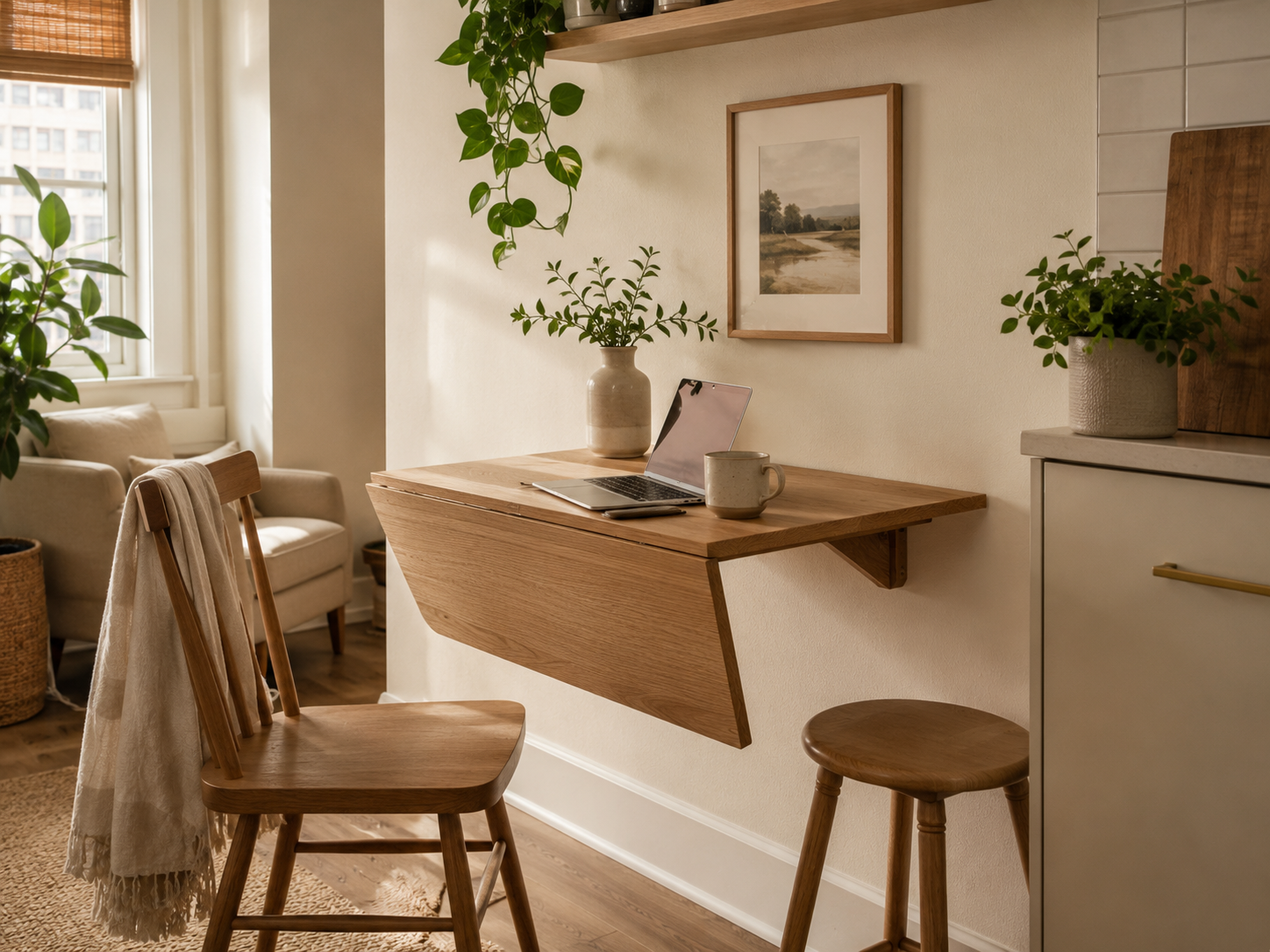
A wall-mounted drop-leaf table is perfect for homes that do not have room for a full dining table, desk, or breakfast nook.
When you need it, fold it down and use it for meals, work, crafts, homework, or coffee that you would like to drink somewhere other than standing over the sink. When you’re done, fold it back against the wall and reclaim the floor space.
It’s especially useful in studio apartments, small kitchens, narrow dining areas, or multipurpose rooms where every inch is already auditioning for five different jobs.
Why it works: It gives you a real surface only when you need it.
Why it’s worth it: You get the function of a table without permanently sacrificing floor space.
3. Vertical Shelving
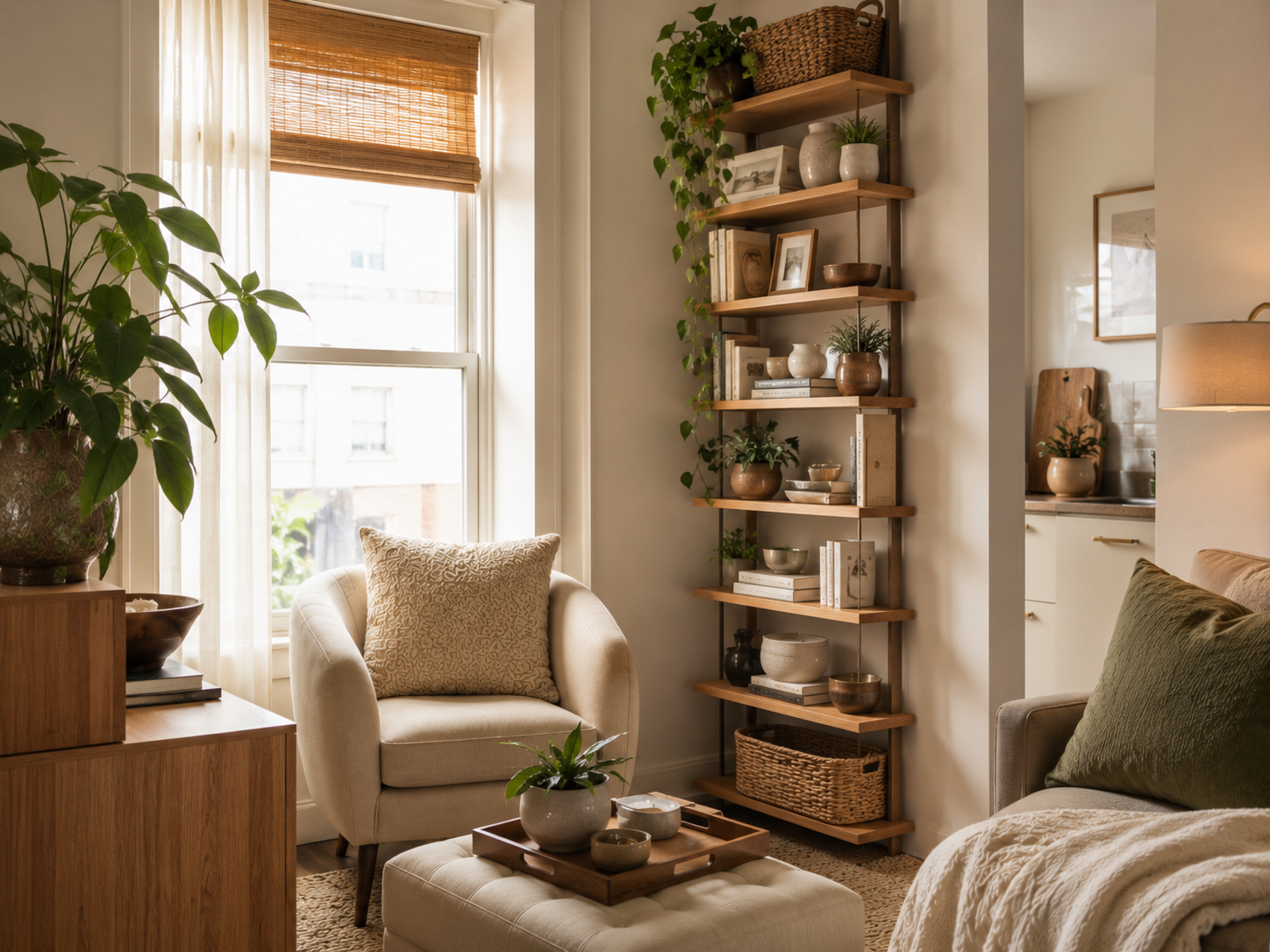
When floor space is limited, the answer is usually: go up.
Tall, narrow bookshelves or wall-mounted shelves give you storage and display space without spreading across the room. They are great for books, plants, baskets, dishes, decor, office supplies, and all the little things that somehow multiply when no one is looking.
The trick is to style vertical shelves intentionally. Mix practical storage with a few decorative pieces so it feels designed, not like you panic-stacked your belongings toward the ceiling.
Why it works: It uses wall height instead of valuable floor space.
Why it’s worth it: You can add storage and display space without making the room feel crowded.
4. Under-Bed Storage Containers
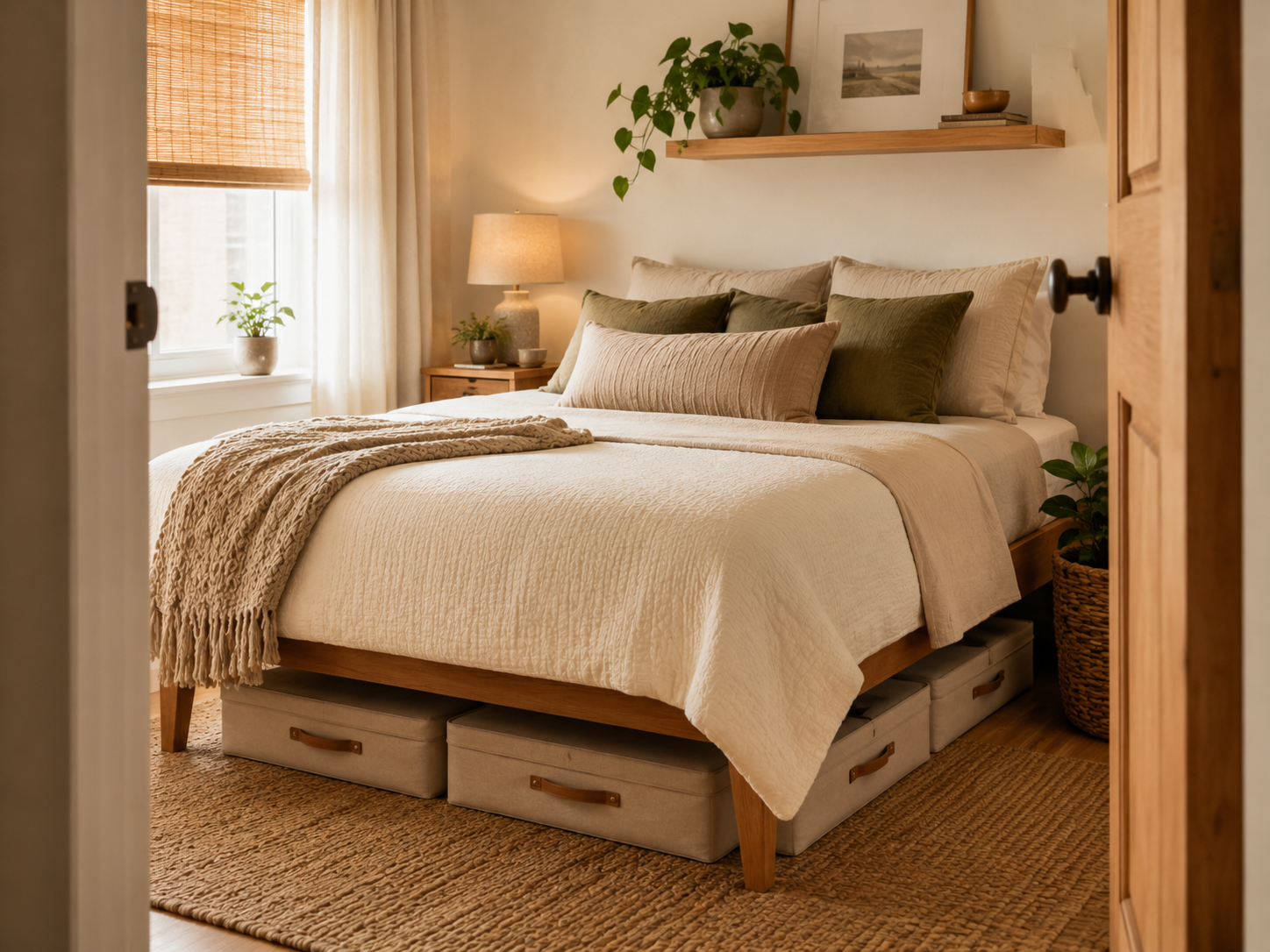
The space under your bed is prime real estate, and most of us are just letting dust bunnies run a small underground government down there.
Slim under-bed storage containers make use of that hidden space for off-season clothes, extra linens, shoes, holiday decor, or items you do not need every day but still need to keep.
Rolling containers are especially helpful because you can actually access what you stored instead of shoving things into the void and pretending you’ll remember.
You will not remember.
Why it works: It turns unused space into hidden storage.
Why it’s worth it: You can free up closet and dresser space without adding anything visible to the room.
5. Nesting Tables
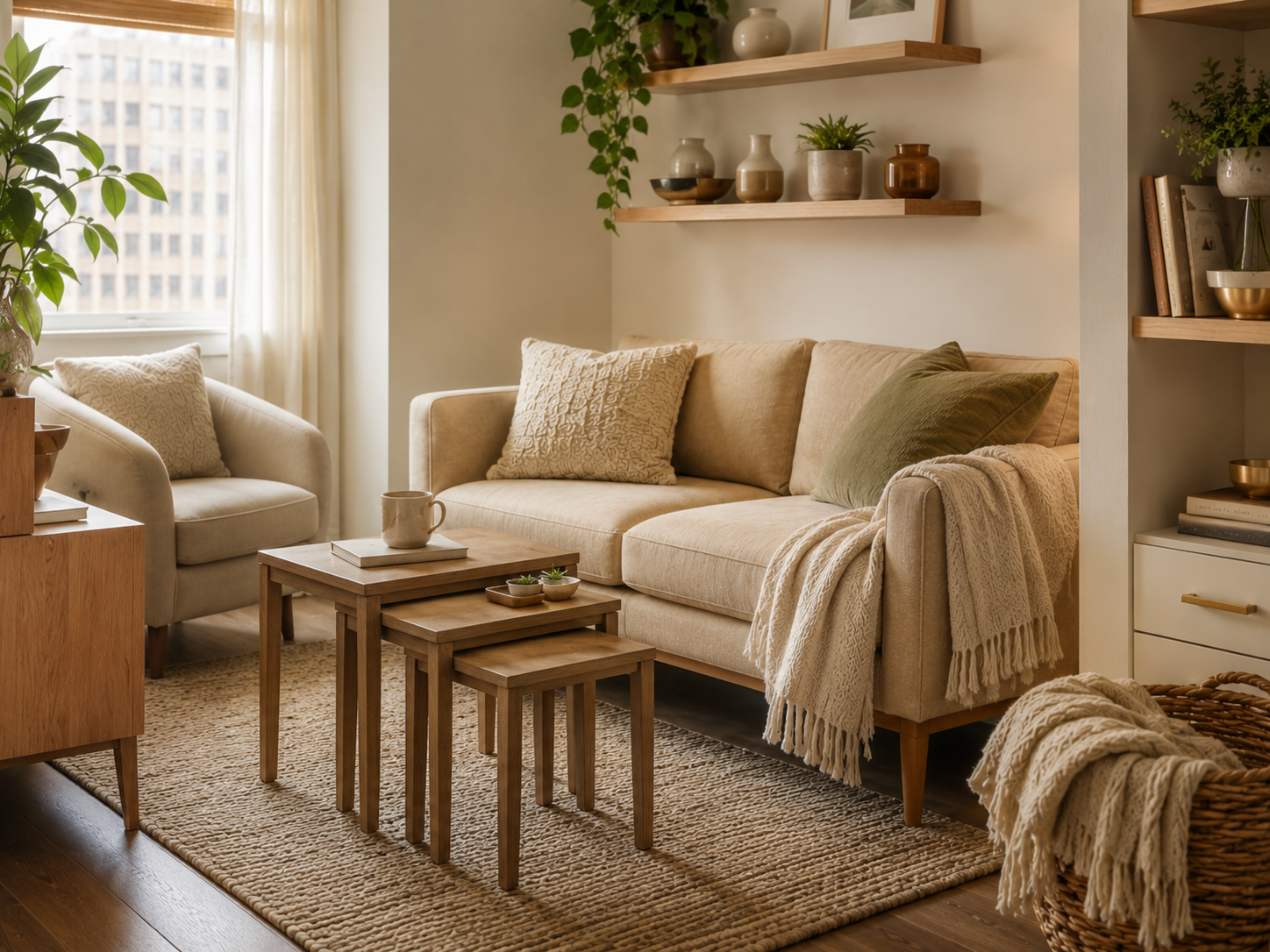
Nesting tables are perfect when you need flexible surface space but do not want your room permanently packed with furniture.
Most sets come with two or three tables that slide neatly under each other. Keep them tucked together most of the time, then pull them out when you need extra spots for drinks, snacks, laptops, books, or guests.
They are especially useful in small living rooms because they give you options without committing to a large coffee table that eats half the room and bruises your shin every Tuesday.
Why it works: They expand when you need them and tuck away when you don’t.
Why it’s worth it: You get extra surface area without committing to more permanent furniture.
6. Fold-Down Desks
A fold-down desk is a lifesaver if you need a workspace but do not have an actual office.
It mounts to the wall, folds down when you need to work, and folds back up when you’re done. Some styles even include small shelves or compartments for notebooks, chargers, pens, and the tiny office supplies that somehow make a room look messy instantly.
This is a great option for studio apartments, bedrooms, kitchens, or shared spaces where a full desk would feel like a hostile takeover.
Why it works: It creates a workspace without taking up floor space all day.
Why it’s worth it: You can have a dedicated work zone without turning your home into an office cubicle.
7. Over-the-Door Organizers
Doors are some of the most underused storage spaces in a home.
Over-the-door organizers can hold shoes, cleaning supplies, pantry items, beauty products, bathroom essentials, kids’ stuff, craft supplies, or whatever category of “small chaos” is currently taking over your home.
They are especially renter-friendly because most do not require drilling or permanent hardware. You just hang them over the door and suddenly the back of the door has a job.
Finally, someone is contributing.
Why it works: It uses vertical space that usually goes completely ignored.
Why it’s worth it: You add storage without using floor space, wall space, or landlord patience.
8. Slim, Tall Dressers
In a small bedroom, a wide dresser can dominate the room fast.
A slim, tall dresser gives you similar storage capacity while taking up less wall space. It draws the eye upward, keeps the room feeling more open, and leaves more room for nightstands, a chair, a mirror, or simply the luxury of walking around your bed without turning sideways.
This is one of those swaps that sounds boring until you realize how much visual weight a wide dresser can add to a small room.
Why it works: It stores vertically instead of spreading across the wall.
Why it’s worth it: You keep useful storage while making the room feel less crowded.
9. Large Mirrors
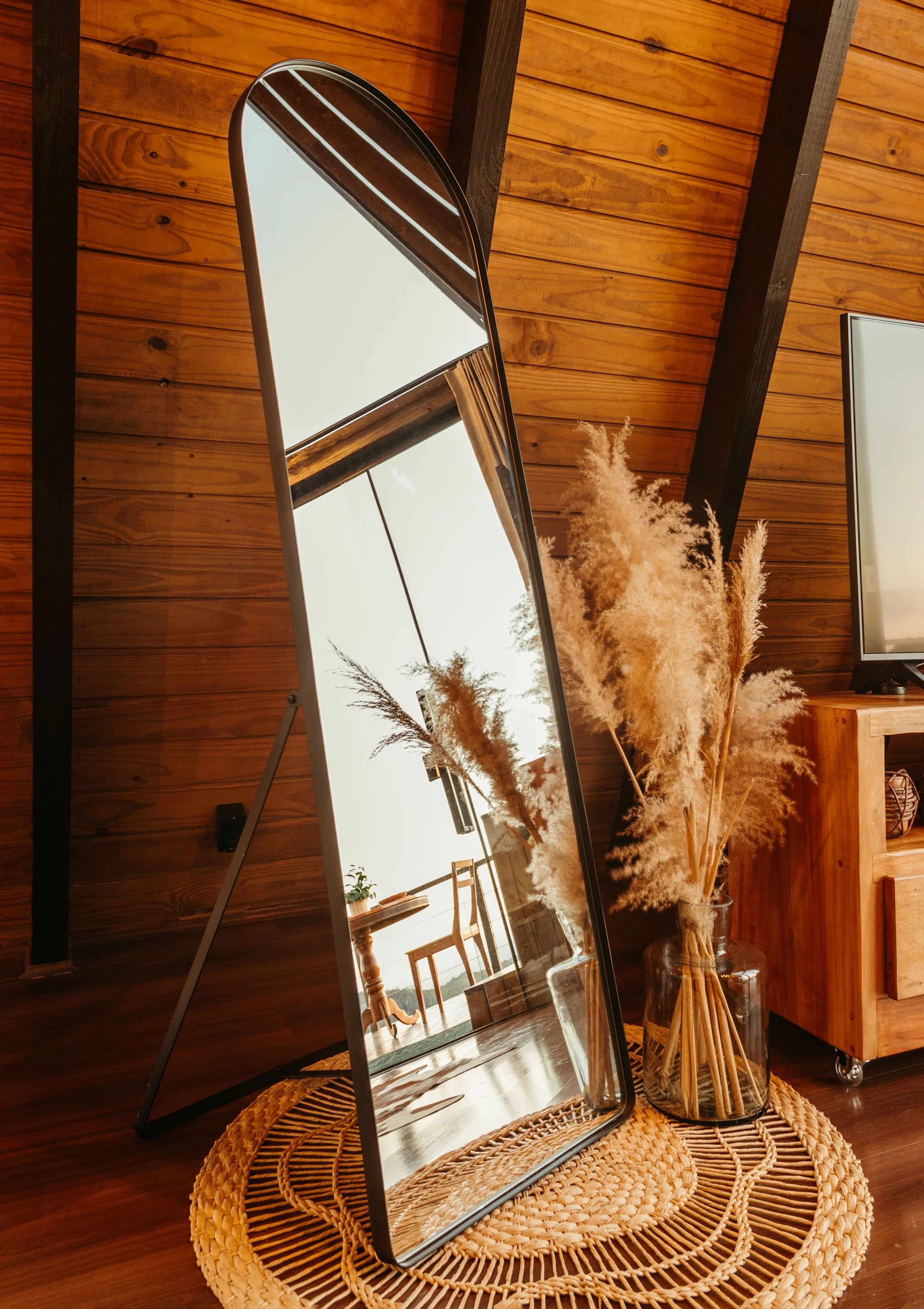
Mirrors are one of the oldest small-space tricks because they actually work.
A large mirror reflects light, adds depth, and can make a room feel more open without changing the square footage at all. A leaning mirror can make a bedroom feel larger, while a wall-mounted mirror can brighten a hallway, entryway, or living room.
Mirrored furniture can also help, but use it sparingly. A little reflection looks polished. Too much reflection starts to feel like a Vegas dressing room got lost.
Why it works: Mirrors bounce light and create the illusion of more depth.
Why it’s worth it: It’s one of the easiest ways to make a small space feel brighter and bigger.
10. Curtain Dividers
If you live in a studio apartment or have one room doing multiple jobs, curtain dividers can create separation without building a wall.
A ceiling-mounted curtain track can divide a sleeping area from a living area, hide storage, create a cozy reading nook, or give a shared space a little more privacy.
Unlike a bookshelf divider or folding screen, curtains are soft, flexible, and easy to open when you want the room to feel larger again.
Why it works: It creates zones without permanent construction.
Why it’s worth it: You can make one room feel like multiple spaces without losing flexibility.
11. Stackable Storage Bins
Storage bins are helpful. Random mismatched bins are where things start to look suspicious.
Uniform stackable bins make closets, shelves, pantries, and laundry areas look more intentional. They let you use vertical space while keeping everything contained, labeled, and easier to find.
This is especially helpful in small spaces because clutter shows faster. One messy shelf can make the whole room feel chaotic, like your storage system gave up and started freelancing.
Why it works: Matching bins make practical storage look cleaner and more organized.
Why it’s worth it: You can store more vertically while making shelves and closets look less cluttered.
12. Furniture With Exposed Legs
This one is subtle, but it makes a big visual difference.
Furniture with exposed legs — sofas, chairs, cabinets, consoles, and nightstands — lets you see more floor underneath. That little bit of visible space makes the room feel lighter and more open.
Furniture that sits directly on the floor can feel heavier, especially in a small room. Choosing pieces with legs gives the eye more breathing room, even if the furniture’s actual footprint is the same.
Tiny design trick. Big payoff.
Why it works: Visible floor space makes a room feel more open.
Why it’s worth it: You can make a small room feel lighter without giving up comfortable, functional furniture.
The Bottom Line
Small space living does not have to mean choosing between style and storage.
The best solutions are the ones that work harder without making your home look harder to live in. Multi-functional furniture, vertical storage, hidden compartments, mirrors, slim profiles, and flexible pieces can all help a small space feel more open, more organized, and much more intentional.
You do not need a bigger home to make your space work better.
You just need smarter pieces — preferably ones that do not make your living room look like it’s preparing for a garage sale.
